
EMDR Therapy in Arizona
Healing trauma through gentle, paced processing.
Trauma lives in the body, EMDR helps it move again
EMDR (Eye Movement Desensitization and Reprocessing) is a trauma therapy that helps the brain and the body heal from overwhelming experiences. For many clients, trauma isn’t about “what happened” but about the nervous system had to hold alone.
EMDR creates a safe, structure way to process these memories so they become less charged, less overwhelming, and less defining.
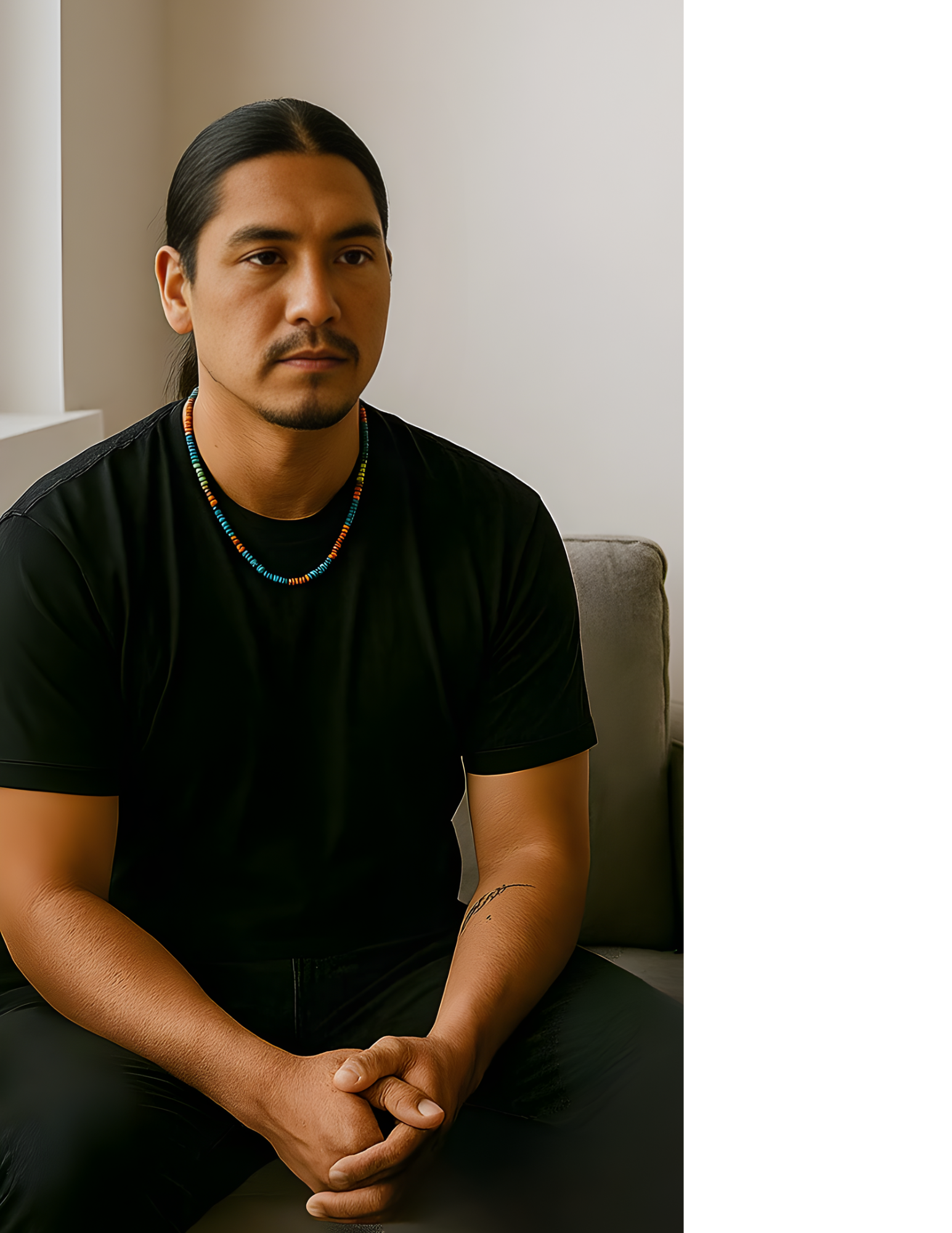
As a Dine’ therapist, I practice EMDR with cultural humility, deep pacing, and a strong focus on relationship. Healing is not rushed. We move at the speed your system feels ready for.
EMDR (Eye Movement Desensitization and Reprocessing) is a trauma therapy that helps the brain and the body heal from overwhelming experiences. For many clients, trauma isn’t about “what happened” but about the nervous system had to hold alone.
EMDR creates a safe, structure way to process these memories so they become less charged, less overwhelming, and less defining.
As a Dine’ therapist, I practice EMDR with cultural humility, deep pacing, and a strong focus on relationship. Healing is not rushed. We move at the speed your system feels ready for.

What EMDR helps with
EMDR is effective for:
• trauma and PTSD
• childhood and developmental trauma
• grief and complicated loss
• anxiety and panic
• relational triggers
Clients often describe EMDR as helping them feel lighter, clearer, and more connected to themselves.
Sandtray EMDR: healing through imagery, symbol, and safety
Sandtray therapy deepens EMDR by allowing inner experiences to become visible, externalized, and easier to work with.
Sandtray elements- giving parts a safe way to externalize their experiences so they can be seen, understood and worked with.
This approach is especially helpful for:
Clients who feel overwelmed by talking
clients who process through imagery or intuition
survivors of childhood trauma
Indigenous and BIPOC clients who connect more naturally through symbol, story, or visual language
clients whose system need distance to feel safe
Sandtray EMDR creates a gentle path for healing, one that honors what the body and the inner system need.
How I practice EMDR
I do not use EMDR in a rigid or one-size-fits-all way.
My approach is:
slow
collaborative
grounded in relationship
guided by your nervous system
supported by stabilization and IFS parts work
culturally attuned
trauma-informed and paced with care
Before we ever do reprocessing, we build:
internal safety
grounding skills
trust with your parts
resourcing in the body
clarity about what feels manageable
Only then do we move toward processing.
This makes EMDR safer, steadier, and more effective.
Sandtray EMDR: healing through imagery, symbol, and safety
Sandtray therapy deepens EMDR by allowing inner experiences to become visible, externalized, and easier to work with.
Sandtray elements- giving parts a safe way to externalize their experiences so they can be seen, understood and worked with.
This approach is especially helpful for:
Clients who feel overwelmed by talking
clients who process through imagery or intuition
survivors of childhood trauma
Indigenous and BIPOC clients who connect more naturally through symbol, story, or visual language
clients whose system need distance to feel safe
Sandtray EMDR creates a gentle path for healing, one that honors what the body and the inner system need.
IFS & EMDR together
IFS and EMDR weave together naturally in my work.
Before processing, we often:
check in with protectors
get their permission
build trust with the parts holding trauma
resource vulnerable parts
support they system as a whole
This create conditions where processing is not overwhelming because parts feel supported, not forced,
Client are often surprised by how empowering this feels.
Cultural and generational attunement
For Indigenous and BIPOC clients, trauma doesn’t appear in neat layers. It shows up as something woven through many parts of life at the same time- lived experience, identity, body memories, family systems, and cultural history.
Is EMDR right for you?
EMDR may be a good fit if you:
feel stuck in trauma memories or reactions
want a different approach than talk therapy
feel your body reacts before your mind can catch up
are ready for deeper healing, but need it to feel safe
want a trauma approach that honors culture and lived experience
want to move past the overwhelm while staying connected to yourself
For many clients, EMDR becomes a turning point, the moment things begin to shift inside.
What EMDR sessions feel like
Client often experience:
a sense of clarity
emotional release
less reactivity to old triggers
relief in the body
calmer breathing
new insights
parts feeling supported or softening
a sense of movement where things once felt stuck
Sessions are not rushed. We pause, check in, and follow the pace your system asks for.